 I’ve spent four and a half years having the pleasure of building and managing a range of incredible corporate partnerships at IntoUniversity, and one of the things I find myself reflecting on most is the impact that corporate volunteers can have when partnerships are built thoughtfully and collaboratively.
You can really feel when it’s working. The spark in a young person’s eye when a career talk opens their world to a pathway they didn’t know existed and suddenly makes sense; the moment a mentee shares with their mentor that they got their first choice at university; the young person who is afraid to speak up in school but with the encouragement of a volunteer has just delivered a pitch to a board of trustees and is absolutely beaming.
There’s a familiar conversation in the sector about corporate volunteering not always getting it right, about it becoming a box-tick that can end up costing charities more than it gives back. Companies have the right intentions and want to give back, but meaningful volunteering takes time, planning and commitment on both sides. At IntoUniversity, in many cases, if the grant is the anchor, then employee engagement is the engine that brings it to life.
The financial support is what keeps our centres running and I’d never underplay that. But when people show up alongside that funding, something shifts. It stops being the charity your employer signed a cheque to. It becomes the charity your employer believes in, and that you are personally amplifying.
The impact goes both ways. Volunteers leave having done something that means something. They’ve seen first-hand the societal challenges that their employer’s support is helping to address, developed skills they wouldn’t have picked up in their day job, and watched the impact of their time play out in real time in front of them. That connection, between where they work and what it stands for, is something a lot of people are looking for in their careers right now and don’t always find.
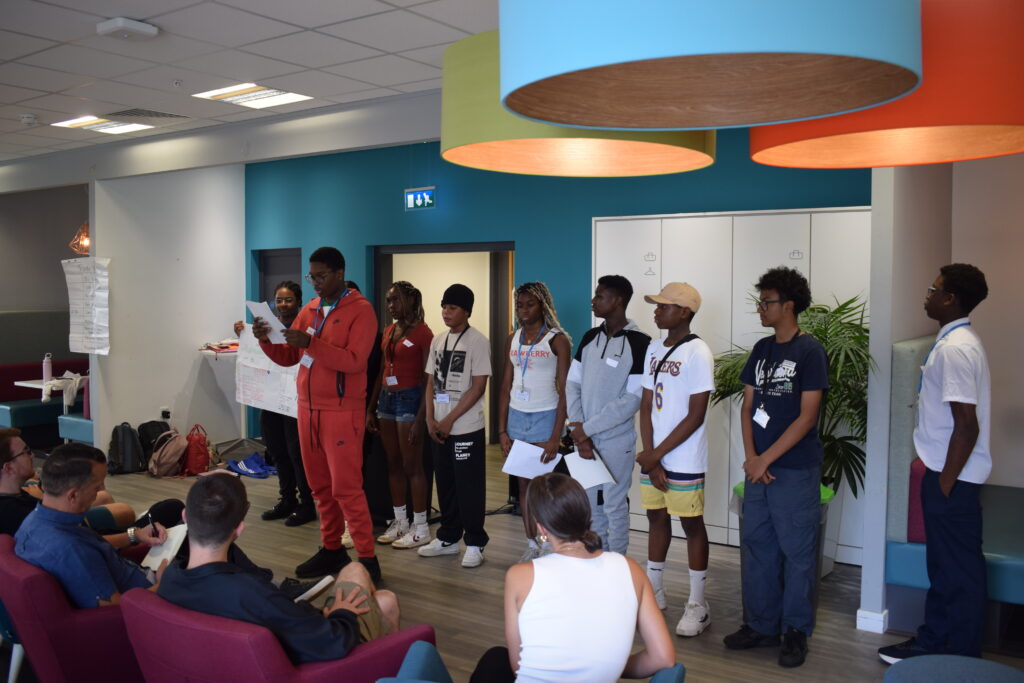
So what does good volunteering look like in practice?
The best place to start is by understanding what a charity needs and not just the specific thing companies want to offer. The most effective volunteering comes from a genuine conversation about where there are gaps, what’s already running, and where your people could add something real. Take IntoUniversity’s Business in FOCUS workshop, a competitive business simulation where two teams of young people go head-to-head. Run it in a corporate office with volunteers from that business in the room and suddenly young people are pitching in an environment that feels real, with people who do this for a living.
The strongest volunteering partnerships also tend to have committed people behind them. It makes a huge difference when volunteers are given the time and space to prepare properly, participate in briefings and understand the context they’re stepping into. It also helps when there is someone internally who can really own it and make it successful. Charities will always go the extra mile to make volunteering work, but they need a real counterpart, someone who’s as invested in making it good as they are.
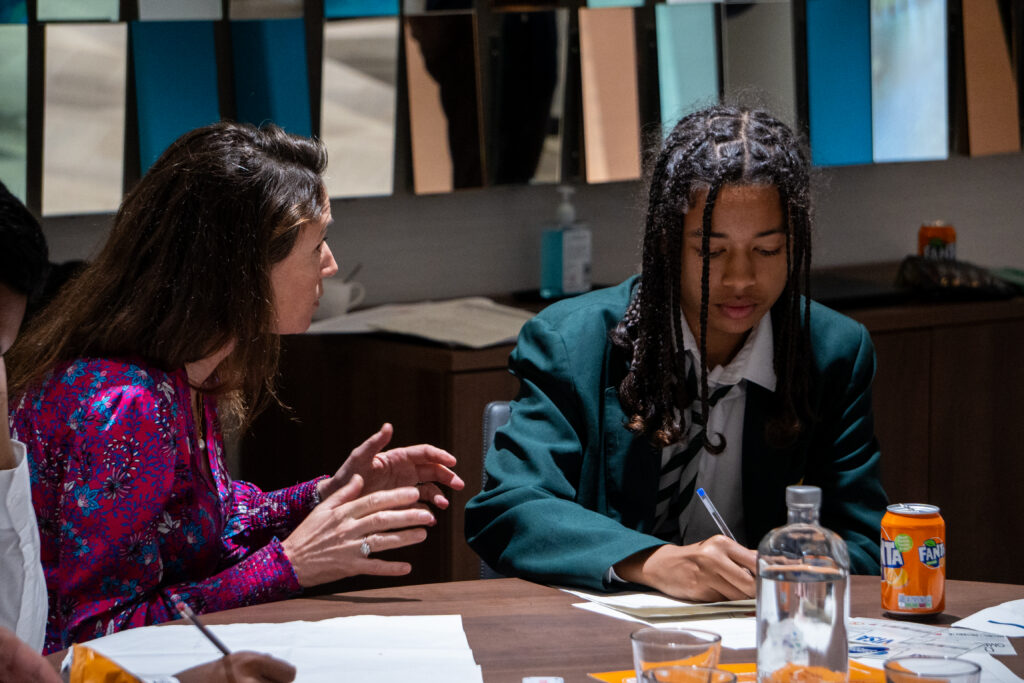 And then there’s consistency.
The partnerships I’m most proud of are the ones that have been running for years, where a company has built a whole infrastructure around their volunteering with us. They know what spaces we need; they know which people to recruit, they come back with fresh ideas and genuine reflection on what could be better. They’ve delivered the same programmes enough times that they turn up knowing exactly what they’re doing, and year on year they get better at it. They are embedded in our work and our programmes aren’t the same without them. And on the volunteer side, we see that consistency when someone who came in for a one-off session wants to do more, starts supporting other programmes, and our CSR contact suddenly finds they have a brand-new internal champion making the case alongside them.
The most impactful volunteering partnerships are the ones built on openness, flexibility and a genuine commitment to the needs of the charity and its beneficiaries. When that happens, organisations can make a huge difference and add a whole new layer to their financial backing.
At a time when it’s harder for people to find the time to volunteer, to our partners who continue to invest their time, energy and expertise into our work, thank you.
If this has resonated with you and you’d like to find out more about what a corporate partnership with IntoUniversity could look like for your organisation, one that works for your employees as much as it does for our young people, we’d love to hear from you.
Email us