Ask someone where their career began and many professionals will point to a summer internship.
But around the country, talented young people face financial pressures, geographical barriers, and the invisible currency of ‘who you know’, often keeping that door firmly shut. For young people from disadvantaged backgrounds, the race to opportunity can feel like it’s over before it even begins.
A Sutton Trust survey of recent university graduates found that 55 percent of young people from a middle-class background had completed an internship, as opposed to 36 percent from working-class families. Moreover, the gap between the groups grew from 12 to 19 percentage points since the study was last conducted eight years ago. The same research found that 6 in 10 internships undertaken by recent graduates were ‘unpaid or underpaid’. The figure is more dire in the creative sector, where 86 percent of interns were unpaid as of 2018. It seems that internship accessibility is only getting worse, not better. Why?
Socio-economic disparity remains a primary barrier. A 2018 study found that undertaking an unpaid internship in London would cost a single student at least £1,019 per month. With rising rents and inflation, that number is surely much higher in 2026. For students from disadvantaged backgrounds who are unable to count on support from adults at home, costs like these put unpaid and even underpaid internships out of reach. Facing a heavy financial burden, they choose to not put themselves forward for opportunities.

(c) John Cairns
Geographical barriers can also play a significant role. Young people living in rural or economically disadvantaged areas face reduced geographic mobility, and with most internships based in London or other big cities, opportunities are frequently distant and inaccessible. Students at IntoUniversity regional centres have told staff that traveling for internships prevents them from carrying out their caring responsibilities, or how they feel they must prioritise the part-time jobs they already have and cannot afford to be away for extended periods. Even when an internship covers travel costs, these are most often only station-to-station, but door-to-station costs can also be prohibitive.
Professional networks also have an outsized influence on accessibility. Young people from disadvantaged backgrounds rarely have industry contacts, which presents a significant challenge when most internships are never made public (one 2017 study found that of the estimated 70,000 internships available each year, only 11,000 are advertised). Most placements, then, are secured through personal connections rather than open competition. The result is an uneven playing field where opportunities are based on who you know, not merit.
Despite these barriers and others, young people from communities like those served by IntoUniversity continue to persevere and secure potentially life-changing opportunities. This doesn’t mean their challenges are over, however. On placement, students can struggle with the unfamiliar environment and ‘rules’ of a corporate space, a lack (real or perceived) of professional experience compared with their more advantaged peers, cultural biases, a lack of confidence, and a lack of belonging Tackling these barriers to accessibility requires sensitivity, inclusivity, and a determination to support young people of all backgrounds.
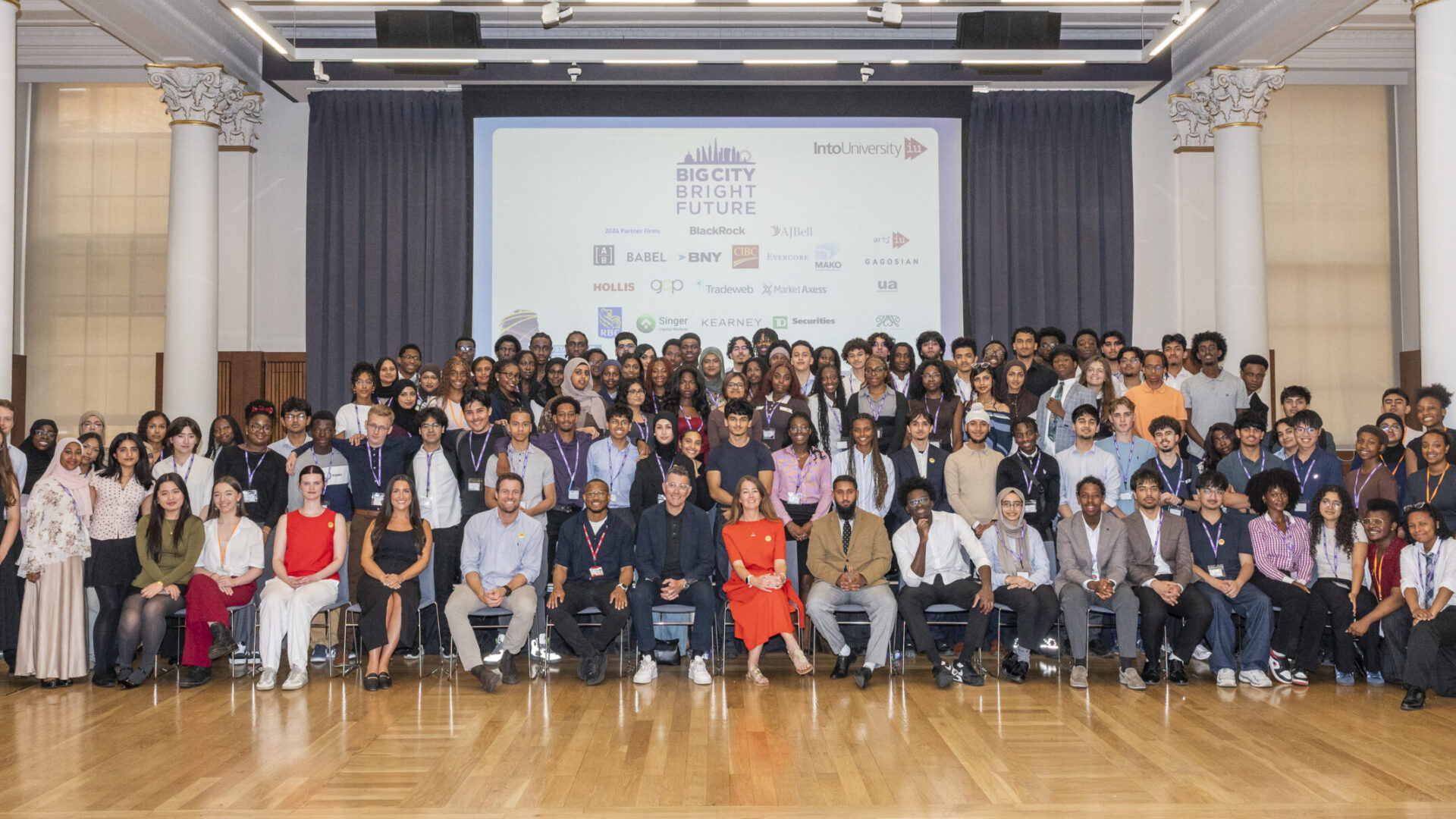
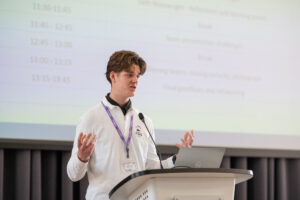
IntoUniversity’s Big City Bright Future (BCBF) summer internship programme, with its one-week skills bootcamp preparing over 100 students from around the country for a two-week placement, seeks to address accessibility hurdles. Through communications and professionalism workshops; confidence-building exercises; networking with industry leaders; and sessions ranging from project management to women’s perspective on working in male-dominated industries, BCBF bootcamp equips interns with the skills and insights to succeed at their host firms in London, Manchester, and Edinburgh. The Khadija Saye Arts internship does the same for young people interested in creative careers. At earlier ages, Business in FOCUS workshops allow young people to delve into the world of work from the comfort of a corporate space. The work is far from finished, of course, with room to improve accessibility for regional students as well as the range of professional networks available, but the impact on our young people is evident.
(c) John Cairns
Big City Bright Future, Khadija Saye Arts, Business in FOCUS – none of these programmes would be possible without corporate partners who understand the need to break down barriers to impactful opportunities. This summer, our BCBF partners will be paying salaries, widening access to students in the North West of England and Scotland, providing meals, and offering mentoring. In short, they will be implementing many of the measures needed to address accessibility. With research showing that four or more encounters with an employer makes a young person 86 percent less likely to not be in education, employment or training (NEET), opportunities like BCBF make a tremendous difference. While a more equitable internship landscape will require committed efforts from policymakers, employers, and educators across the country, it’s clear there are models for a path forward.
Acorn Fund Innovation: Big City Bright Future Regional Pilot
Since it began in 2015, our Big City Bright Future internship has provided young people in London with the opportunity to gain meaningful work experience with leading employers. As the programme, and IntoUniversity, has grown, it has expanded to enable students from across the UK to take part through placements with our partners in their London offices, giving hundreds of young people the chance to experience living and working in the capital while building the skills, confidence and networks to support their future careers.
Building on the success of this model, we have been exploring how we can create similar opportunities by drawing on the wealth of employers and career pathways available in cities across our network. As well as showcasing the breadth of opportunities that exist across the UK, expanding the programme regionally also helps make the internship accessible to more young people. For some students, responsibilities at home or part-time weekend work can make it difficult to spend three weeks away from home, meaning they would otherwise be unable to take part.
Having successfully expanded our internship offer to Edinburgh for Scottish students in 2022, this summer we launched a pilot programme in Manchester through our existing partnership with AJ Bell. The pilot enabled interns from the local area to complete their bootcamp week in London before returning home to undertake the remainder of their internship in Manchester. We hope this partnership will continue to grow and provide a model for expanding employment opportunities in other regions.
This project is one of six supported through the Acorn Fund, which enables colleagues to develop and test innovative ideas that respond to local needs and explore how successful approaches could be expanded across the organisation. We are grateful to the funder whose support has made this work possible.
Download our aspire newsletter
Sign up to our mailing list